The last work app you'll needTo manage locations across time.
One observation, as easy as a text, that carries everything: the photo, the location, the annotation, the measurement, the description, the translation, the report, the send.
Get the app →If you can send a text, you can run a job site.
Photo. Arrow. Sentence. Send. That is the whole workflow, and it takes as long as it sounds.
What leaves your phone is not a text. It is a finished report: your letterhead, the address, the photo you marked up, a numbered satellite map, your words, and the translation. This is the page the crew opens. Client receives a polished document with customer facing language.
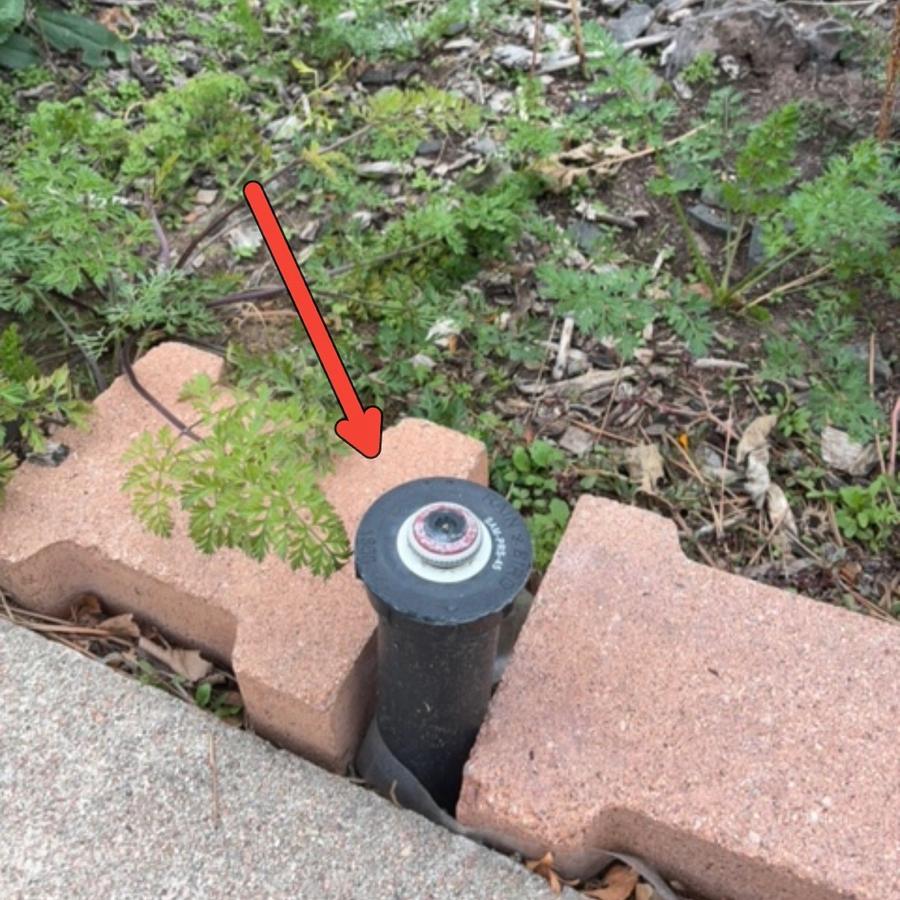 100
100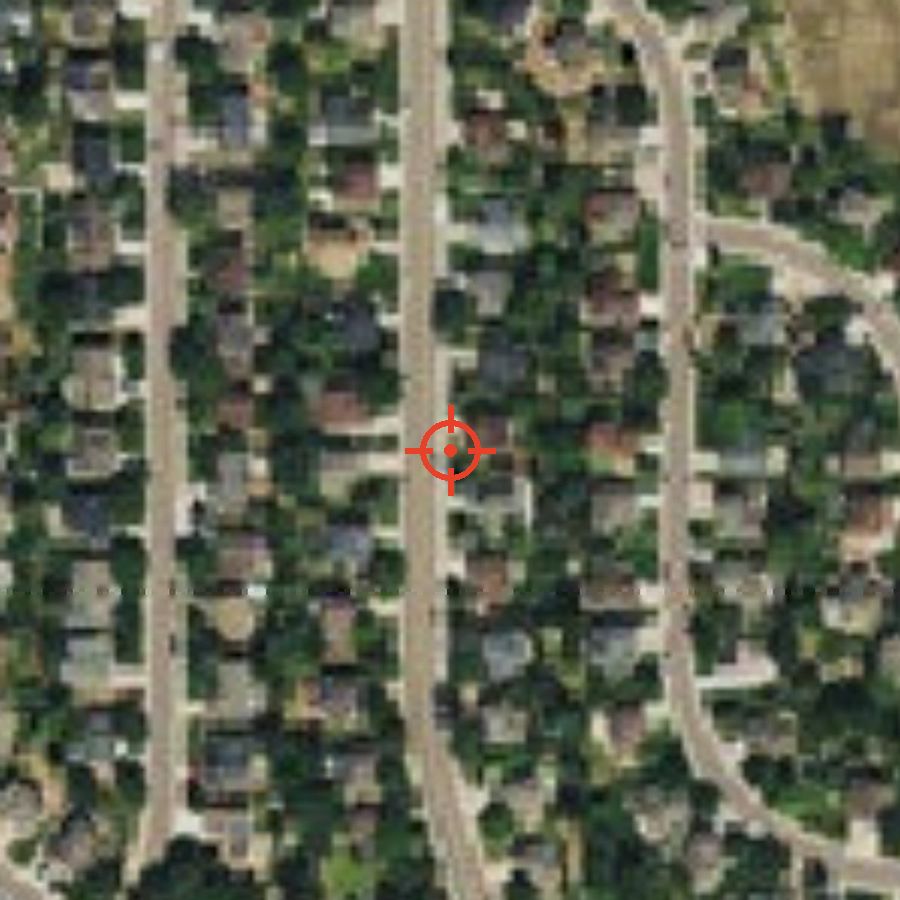 100
100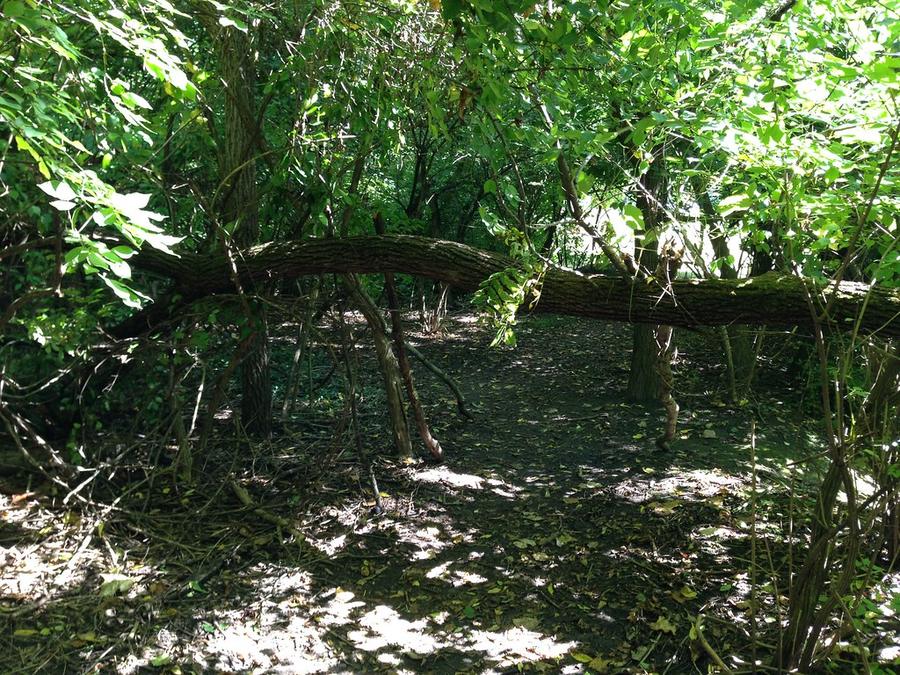 100100
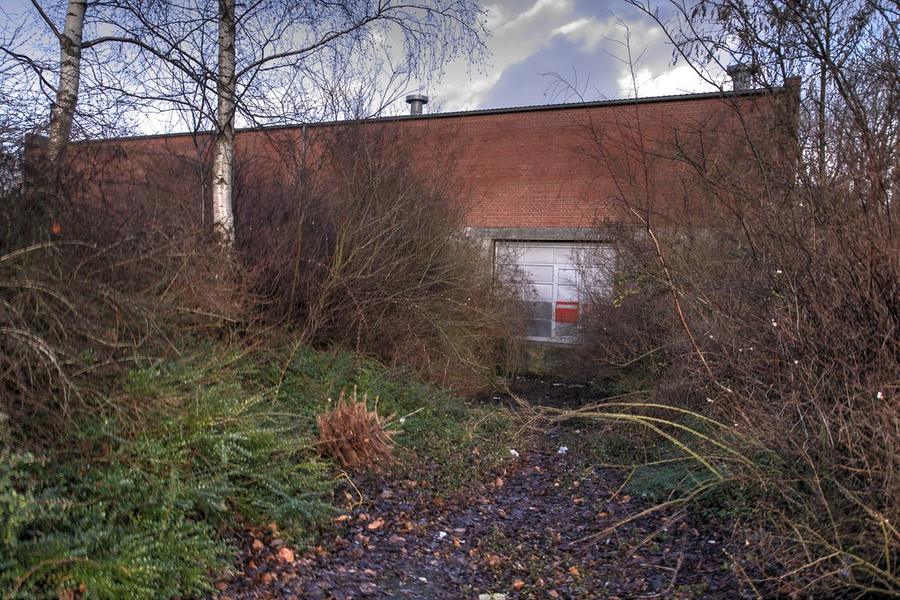 100100
 100100
You never type an address twice.
Chronotope already knows where your properties are, and where you are. Stand on a job site and the property card rises to your thumb. Sit at a desk and three letters of the client, the street, or last month's note bring it up. The address was typed once, on the day the property was created. That was the last time.
All of these. Retired.
Replaced with one screen where the photo already knows its location, the markup already knows its scale, and the report already knows who it is going to.
Nothing to download. Nothing to unzip. Nothing to upload again.
Your phone and the web are the same Chronotope. Make an observation in the field and it is waiting at your desk before you are.
Your email. Your spreadsheets. Your legacy software.
Reports leave from your own mail app. Observations become rows in the spreadsheet you already run the business on, with the PDF attached. Clients and contract values arrive from a file upload, or straight from your legacy software if it has an API.
Places have memory now.
Every observation stays attached to its location, in order. Measurements remember the exact aerial they were drawn on. Do you wonder if a project is being neglected? Chronotope answers with a ranked list and an optimized route, based on project value and how long since anyone was there.
Dead zones are fine.
Everything saves to the phone first and sends itself when the signal returns. Close the app. It still sends.
Written once. Read in two languages.
Chronotope always speaks your language. Enter descriptions in your native tongue and they will be translated for you every time, with zero effort. A field technician can send in Spanish and the office can receive it in English, every time. French and the other languages America works in are next.
Landscapers. Arborists. Nurseries. Builders. Event Planners. Plumbers. Property managers. And You.
Pick a business template, rename categories in your own words. Everything in one place, and one place for every company.